3D Printed MJF Nylon Wing Mounts
The wing mount of an airplane is one of the most critical joining areas. For the L-1011 RC Model that I am working on, I opted to not use the conventional tube mounting method. Instead I have opted to design the structure of the wing mount to more closely resemble a full scale airliner where the spars transfer the weight into the main airframe rather than a tub or rod.
Why 3D Printed MJF Nylon?
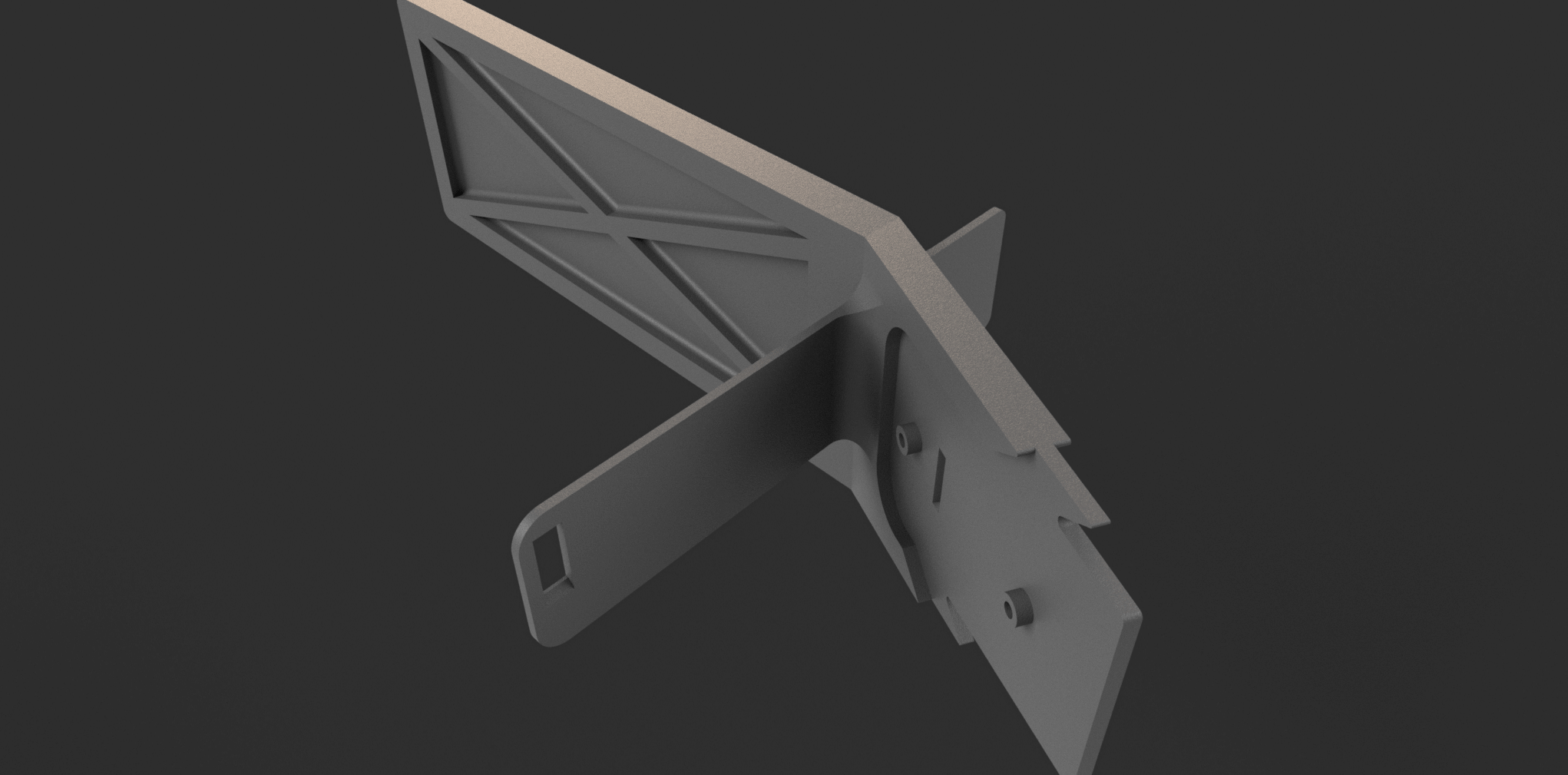
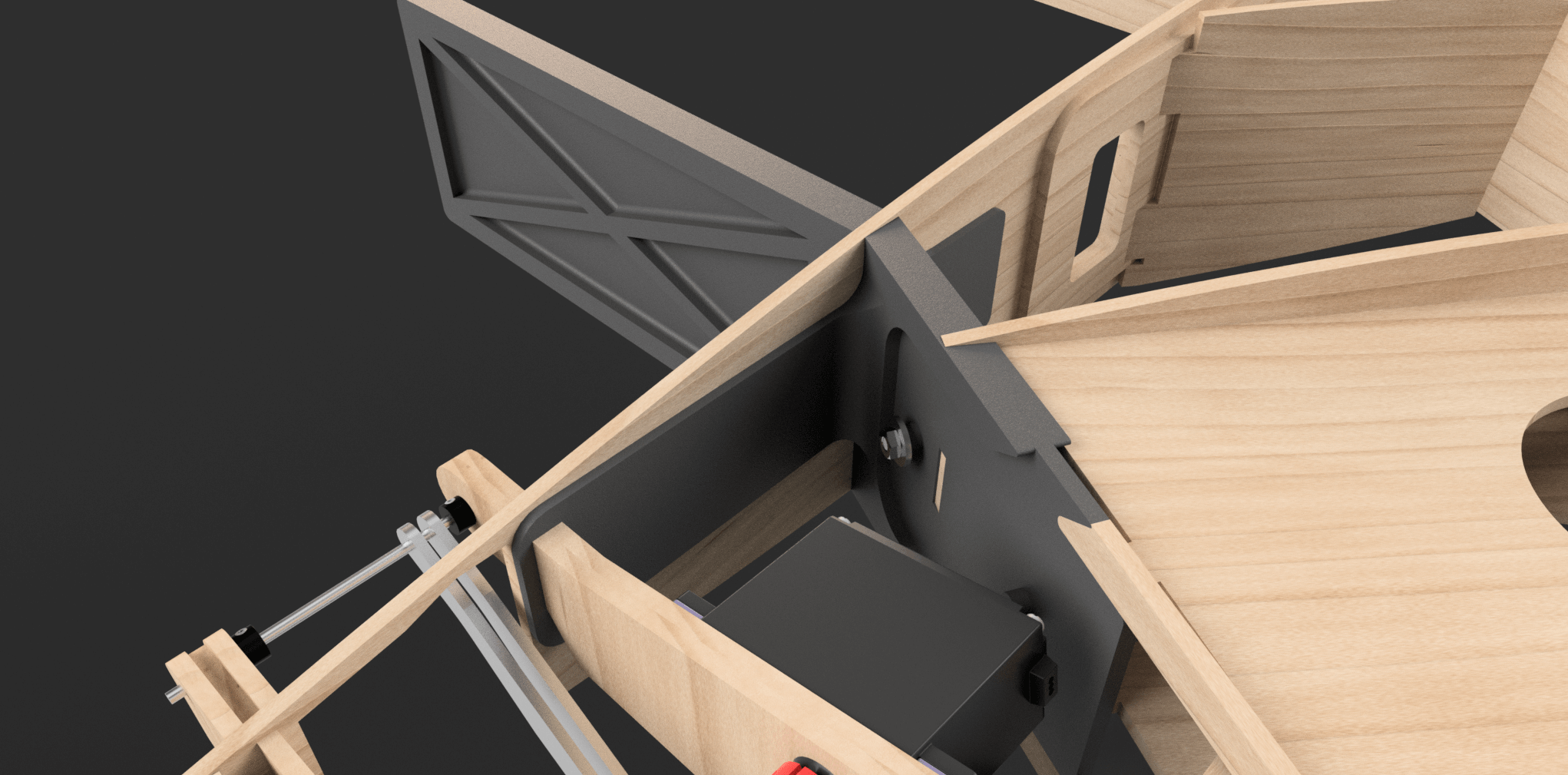
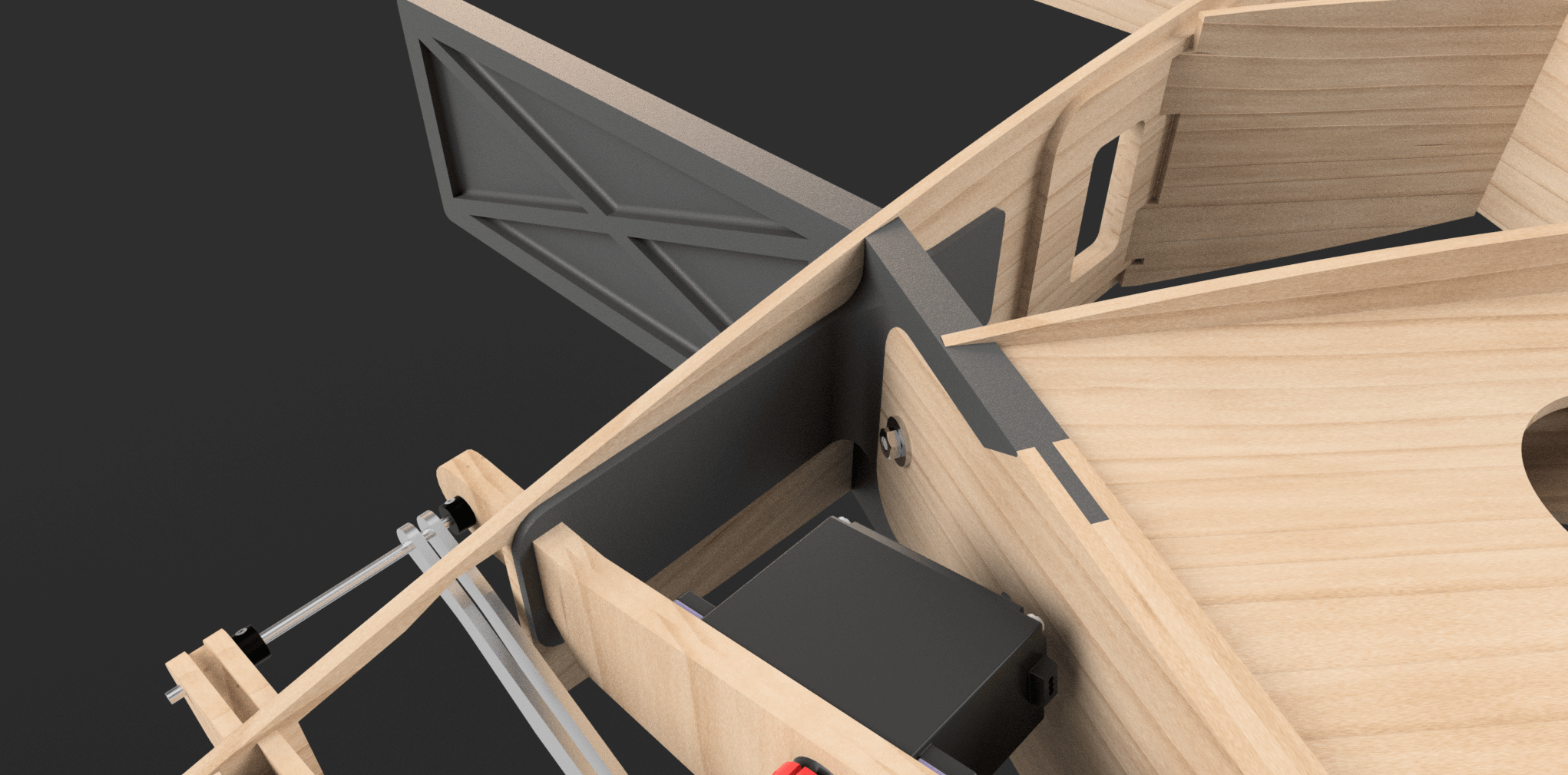
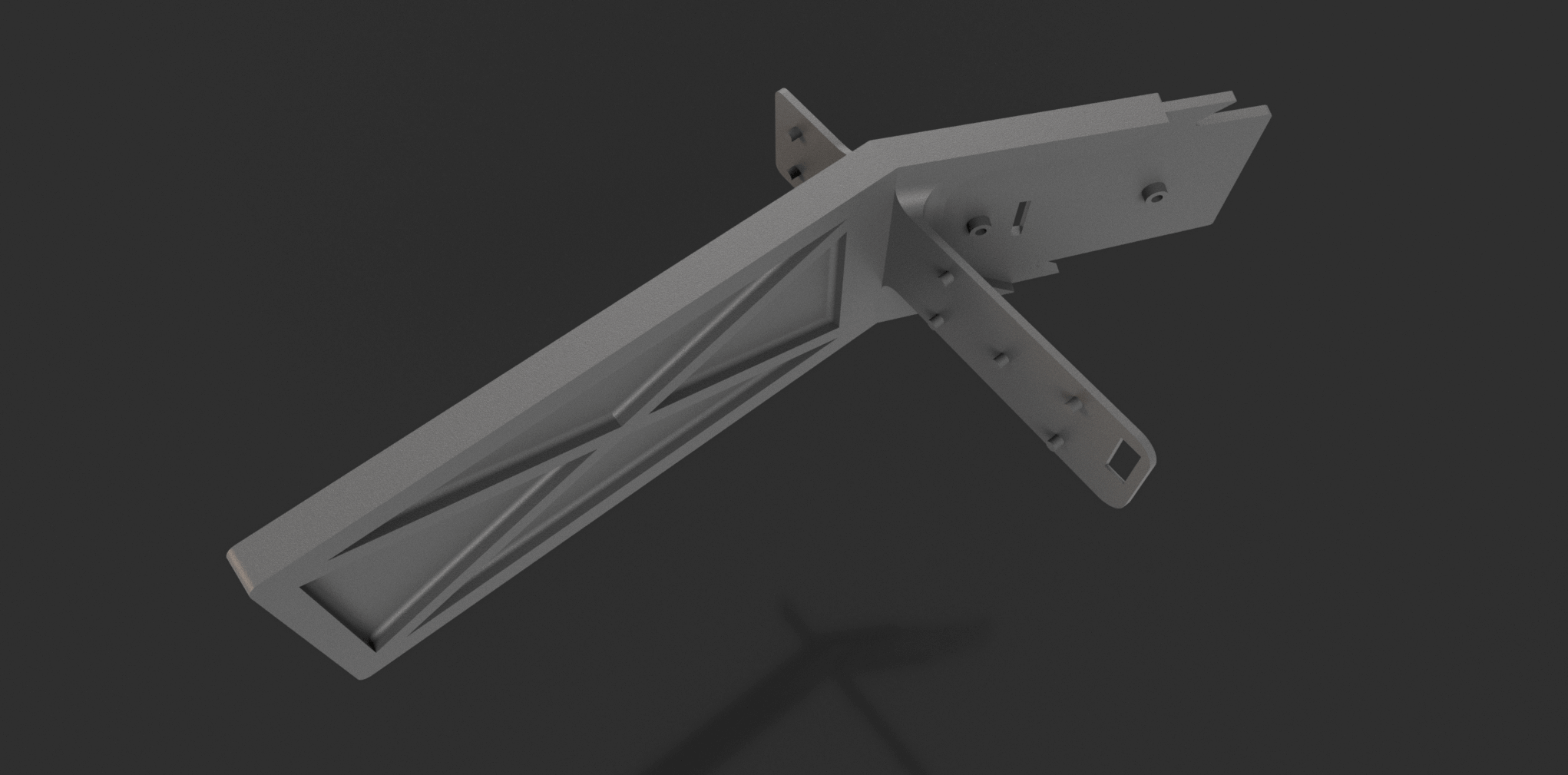
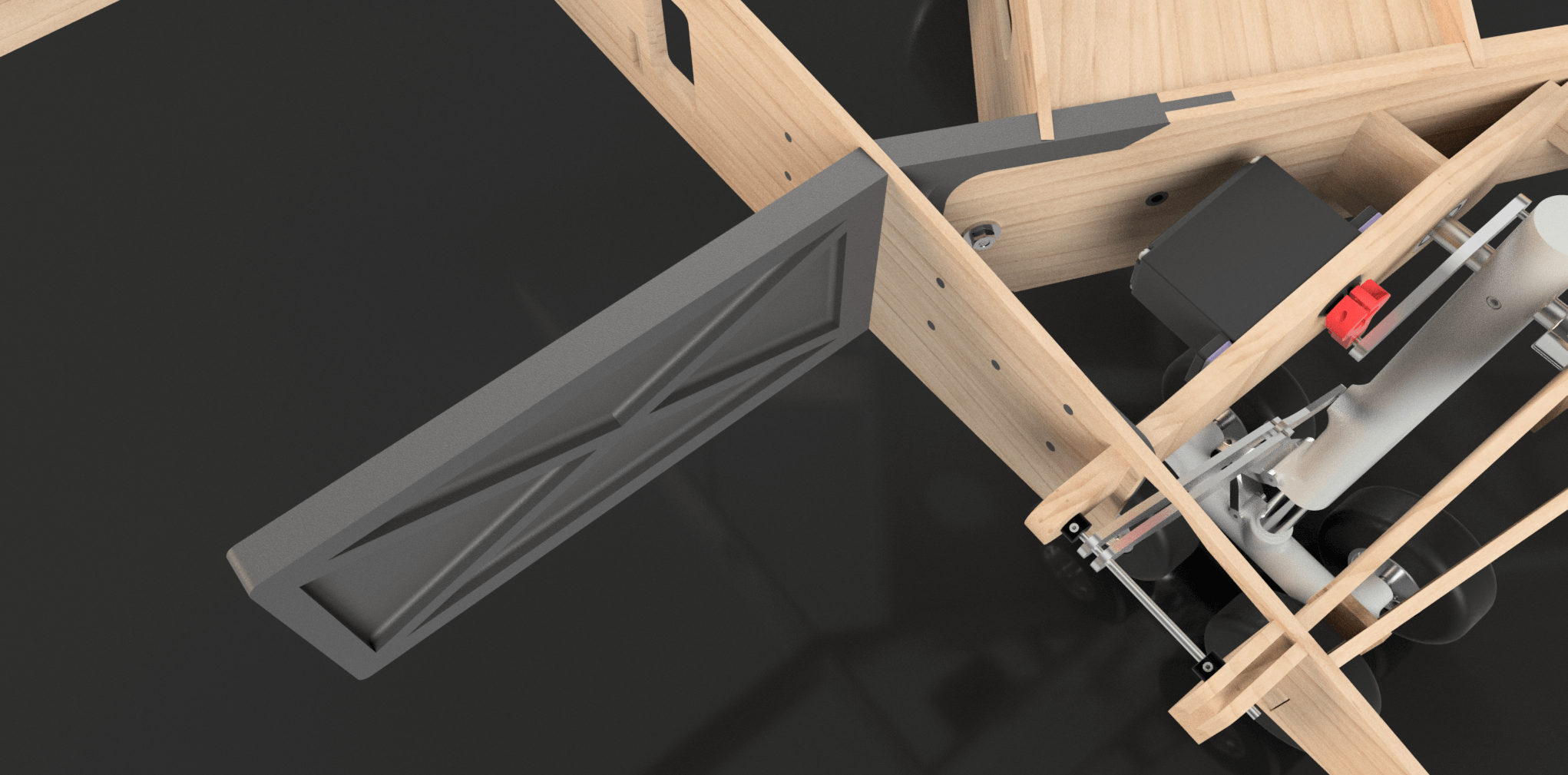
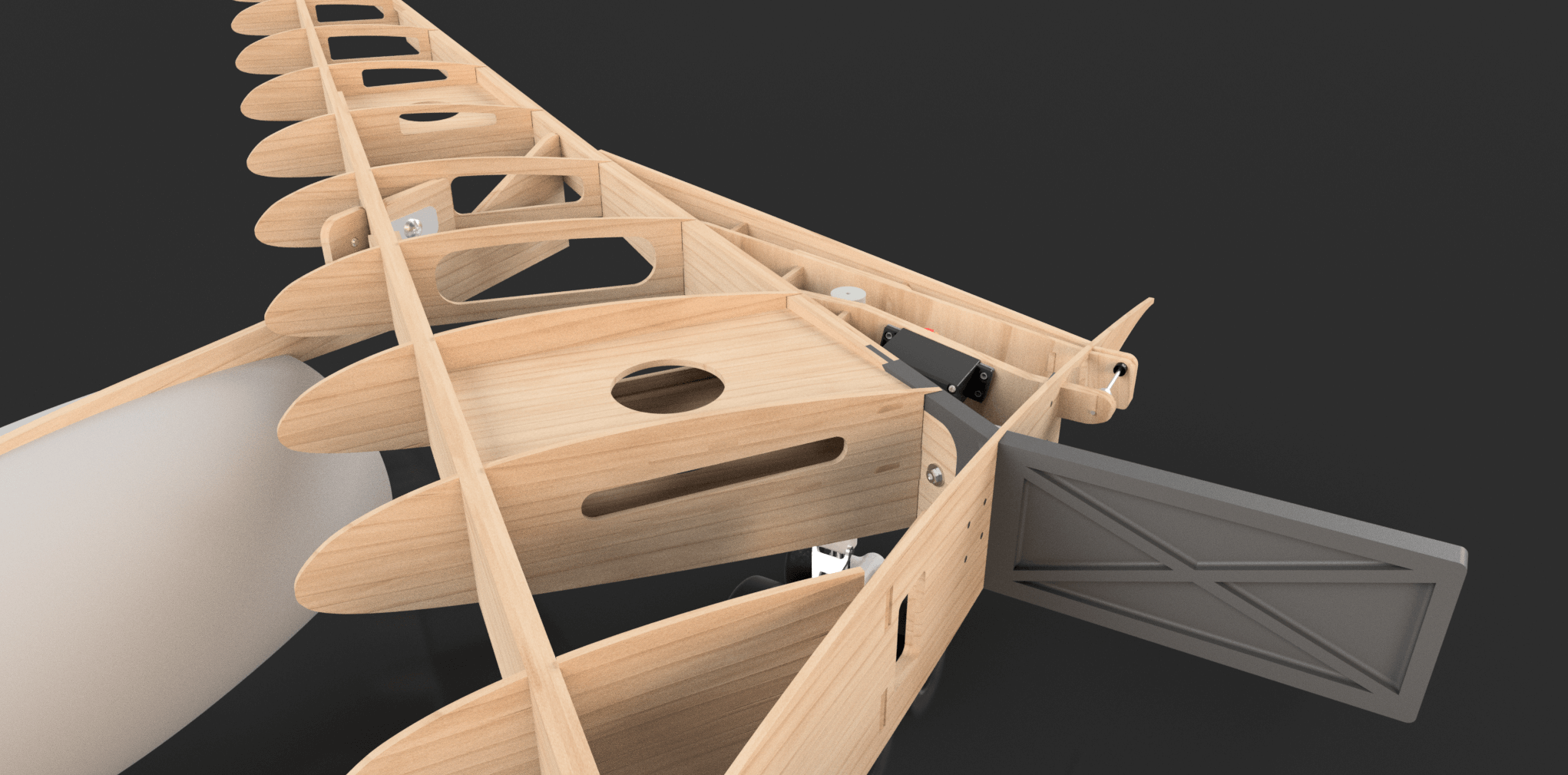
This model is designed in such a way that the wing loading is transferred through to the spars rather than a rod. For this reason the mountain component must be strong and rigid. As you can see in the renderings below, the mount has a 28.5 degree angle at the base connection point to the wingbox.
Rear Wing Mount
What is MJF?
An acronym for Multi Jet Fusion, MJF if a 3D printing method which function more like an inkjet printer than a 3D extruding printer. With each pass, thousands of voxels (think 3 dimensional pixels) are laid down on a powder medium at high temperature. Layer after layer a 3D object is formed.
Forward and Rear Spar Mounts
The initial draft of this design did not include the 3D printed mount. It was originally to be design with plywood and supported with carbon fiber inside the bend of the box spar. See earlier renderings of the wing root here.
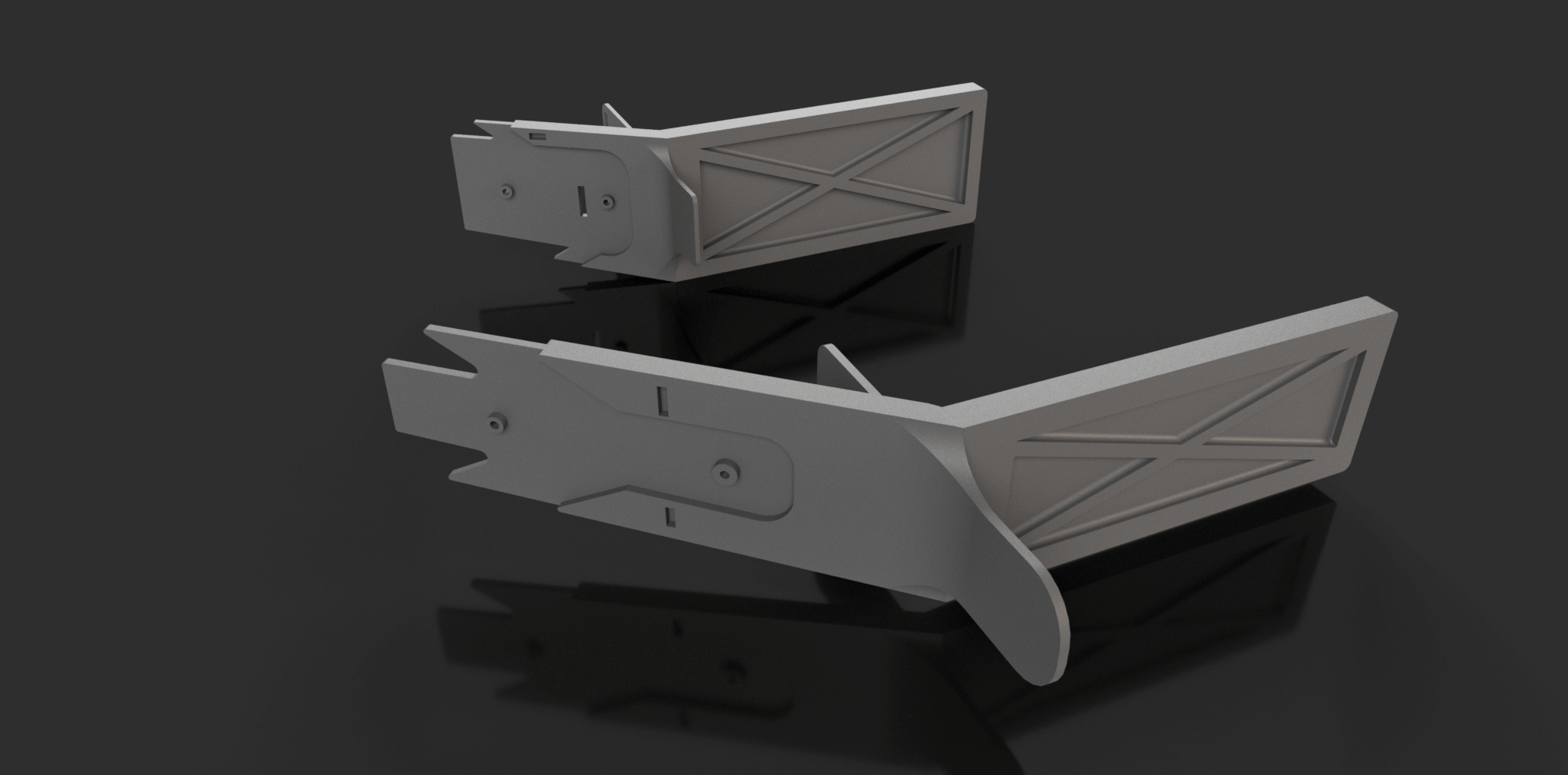
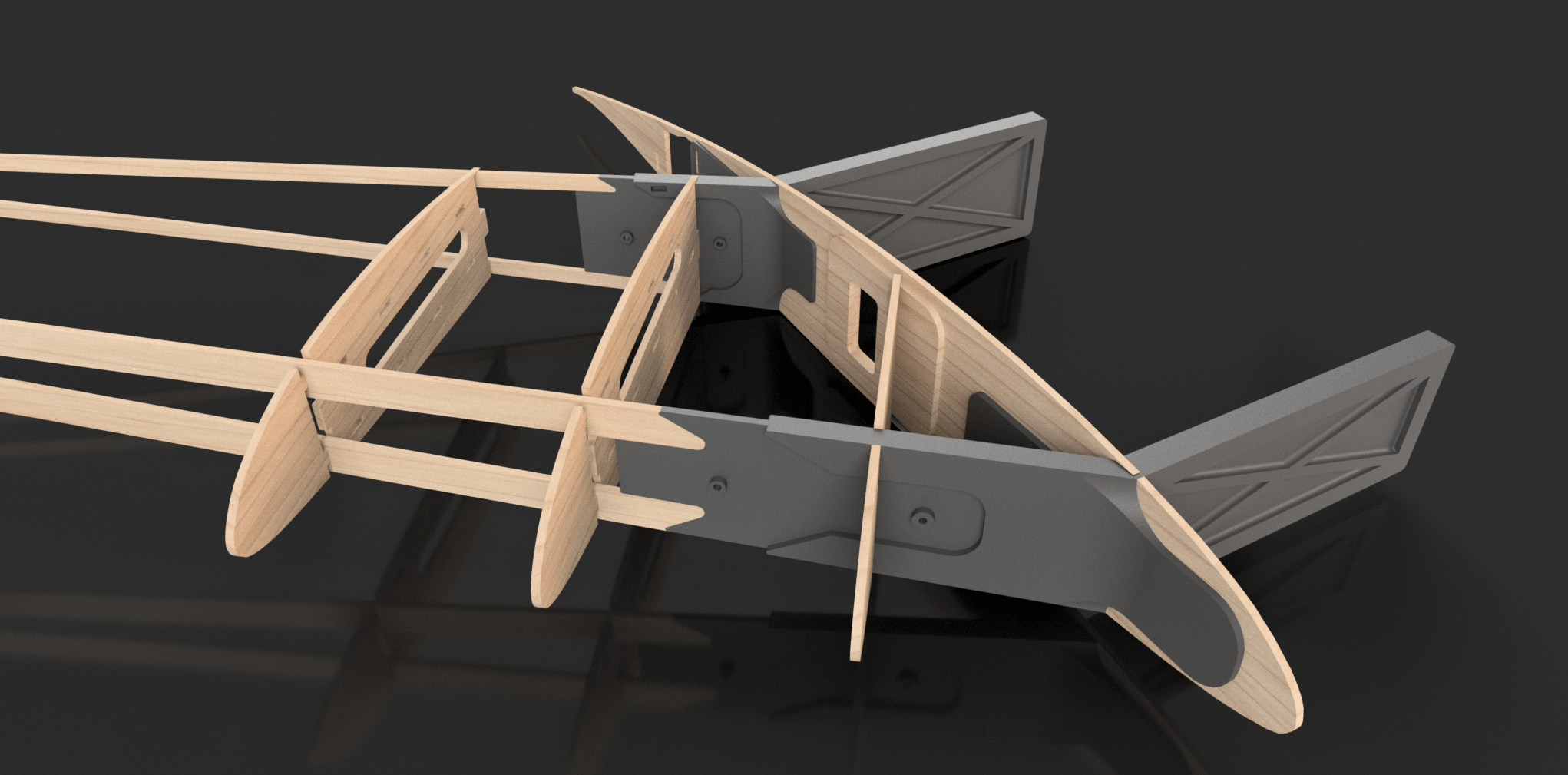
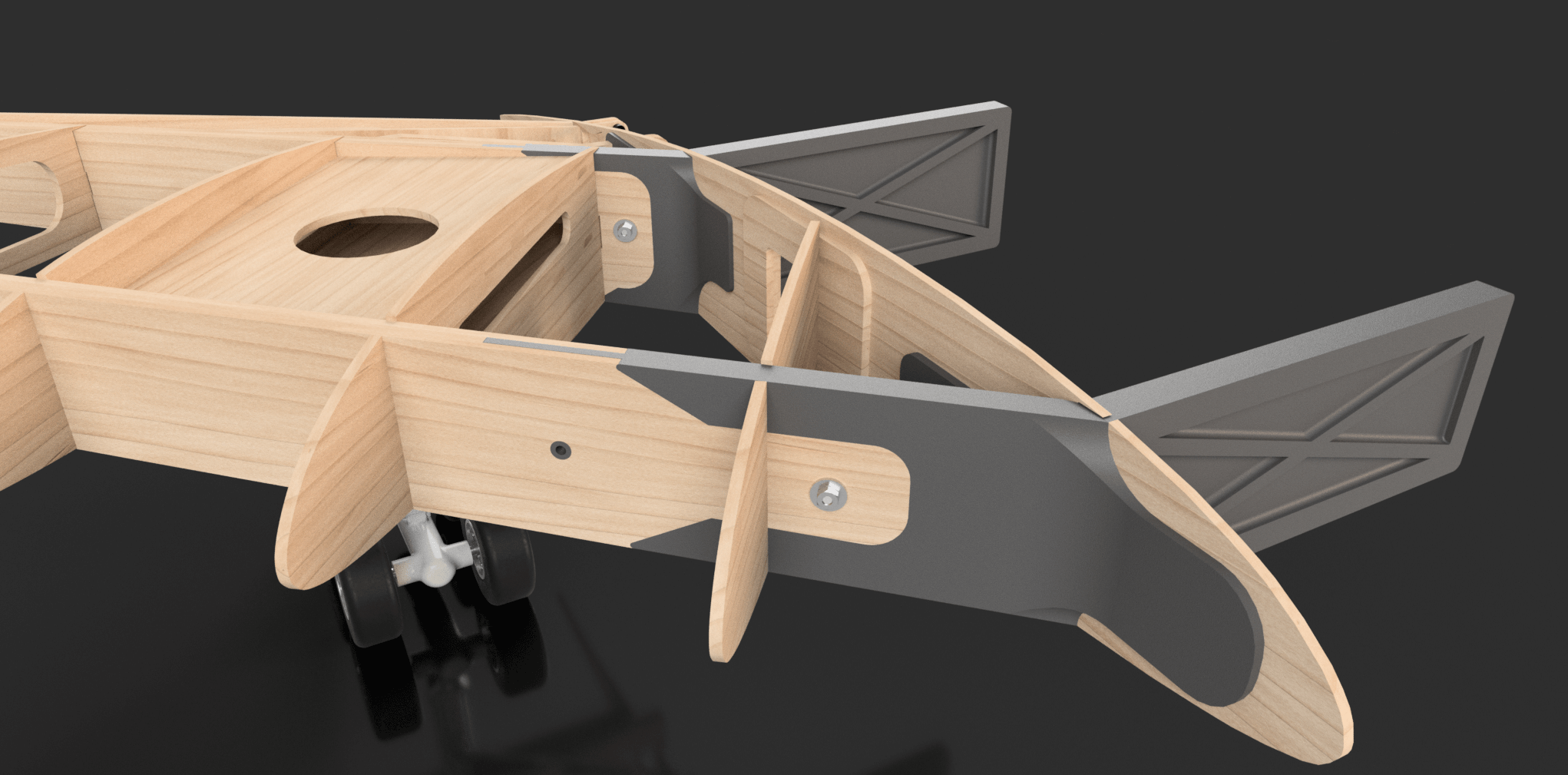
Upon discovering MJF 3D printing’s capabilities and strength properties, changing course was a very easy decision. By introducing the 3D printed spar root added possibilities emerged. Extending mounting brackets to the forward and aft sides of the mount provides plates to which the base airfoil rib can be more securely placed.
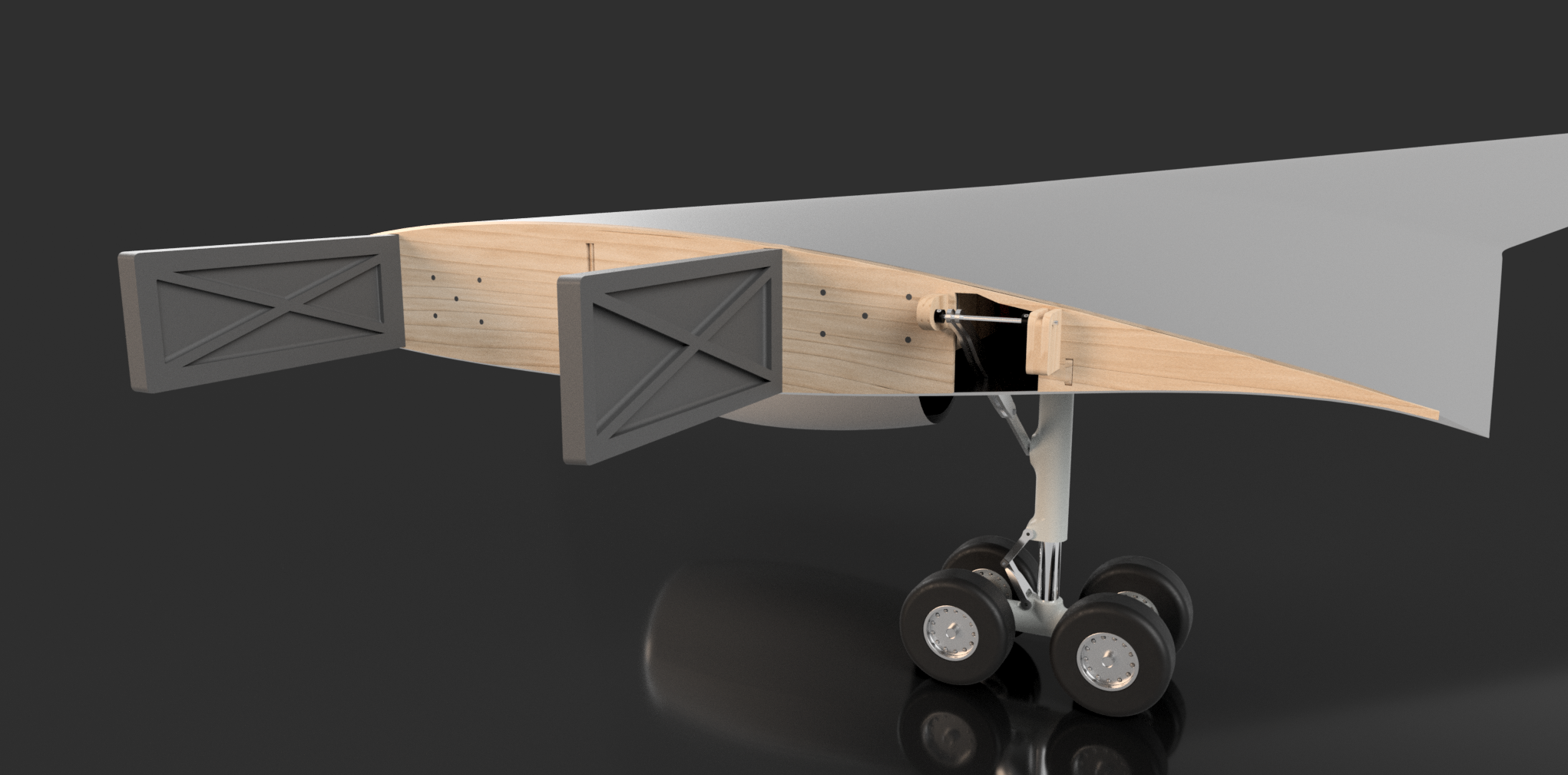
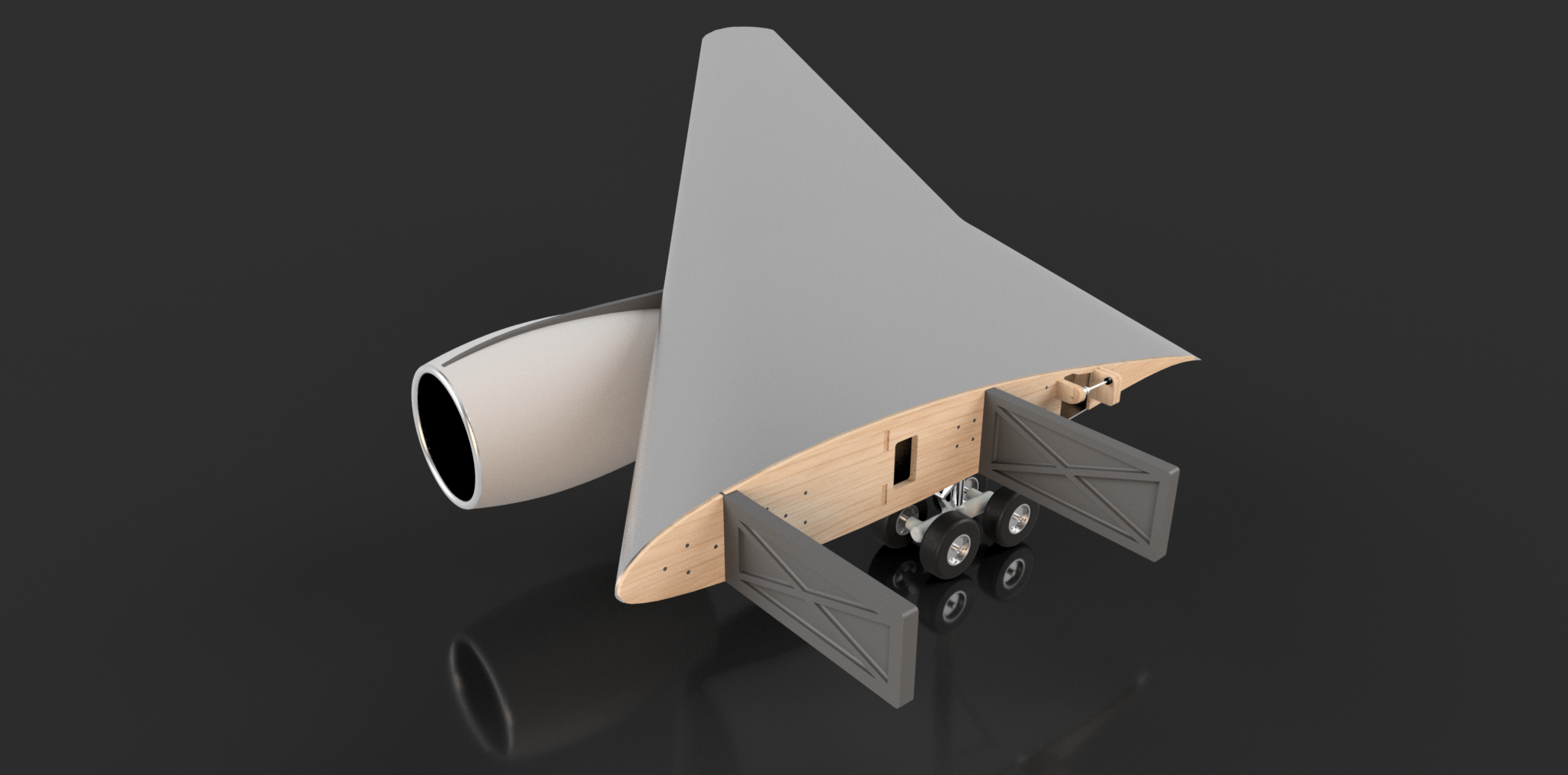
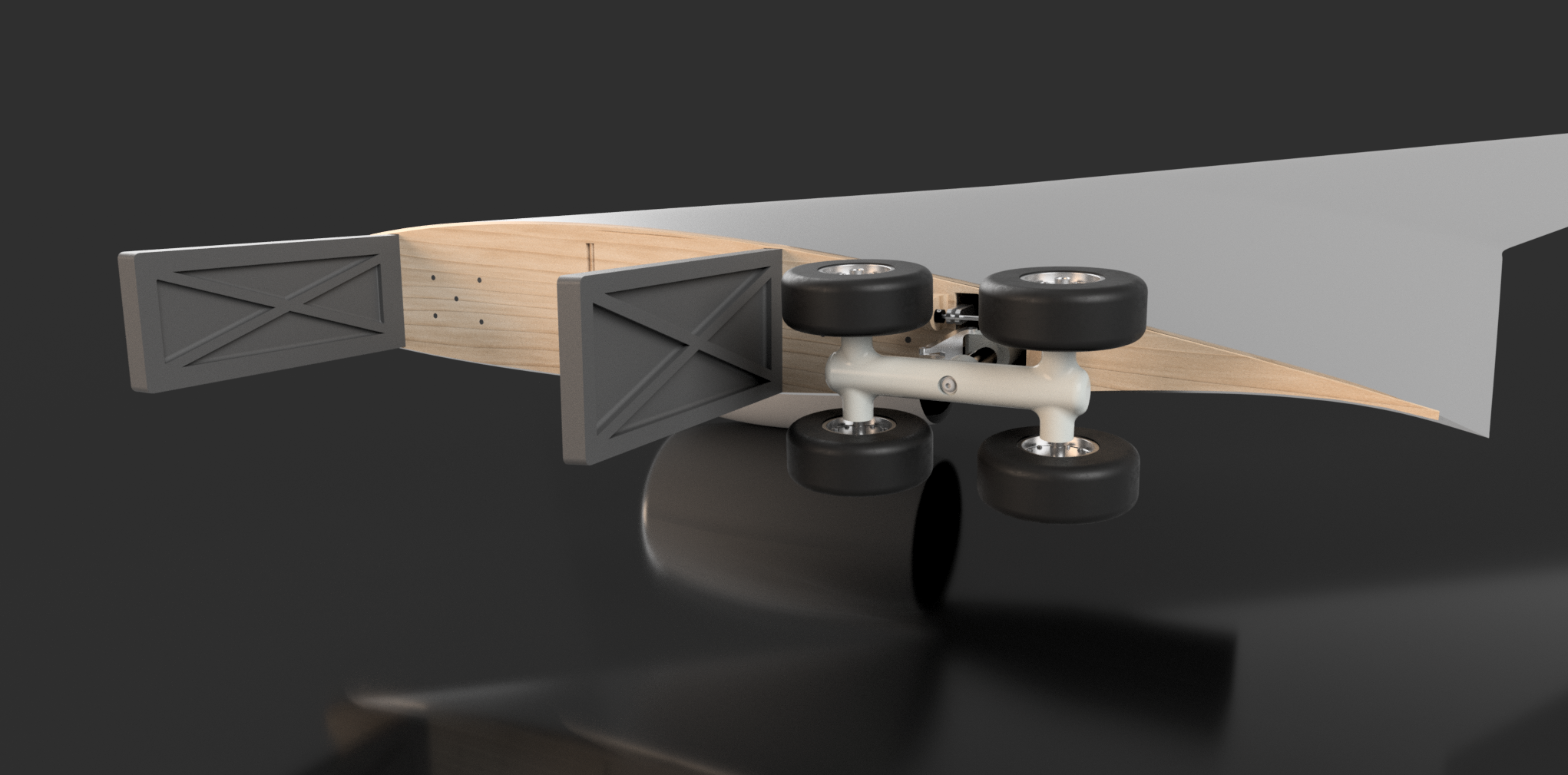
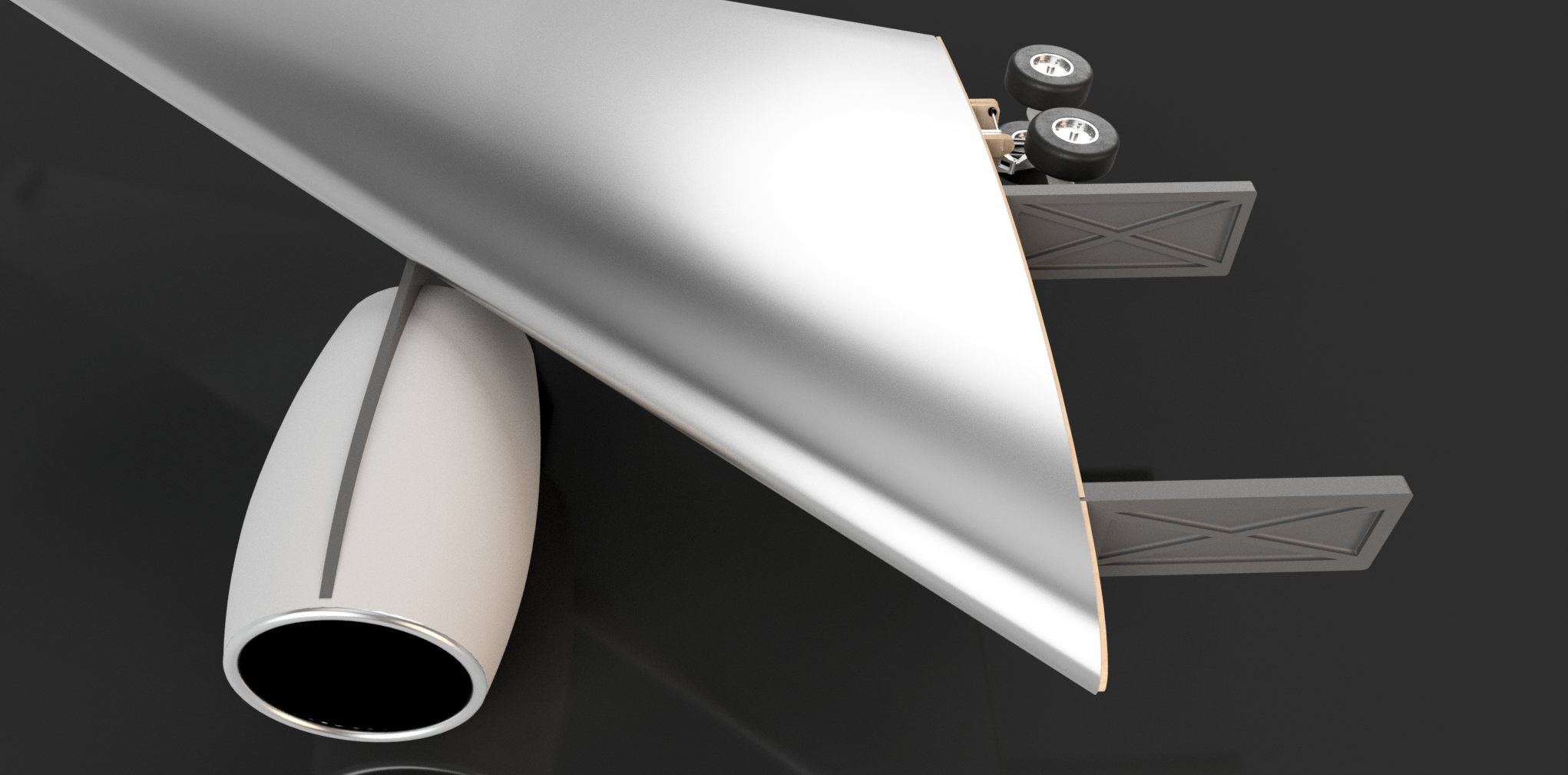
3D Animations of Wing Mounts
To help better illustrate how the wings will be mounted in the airframe of the RC Airplane, the following video animations will help.
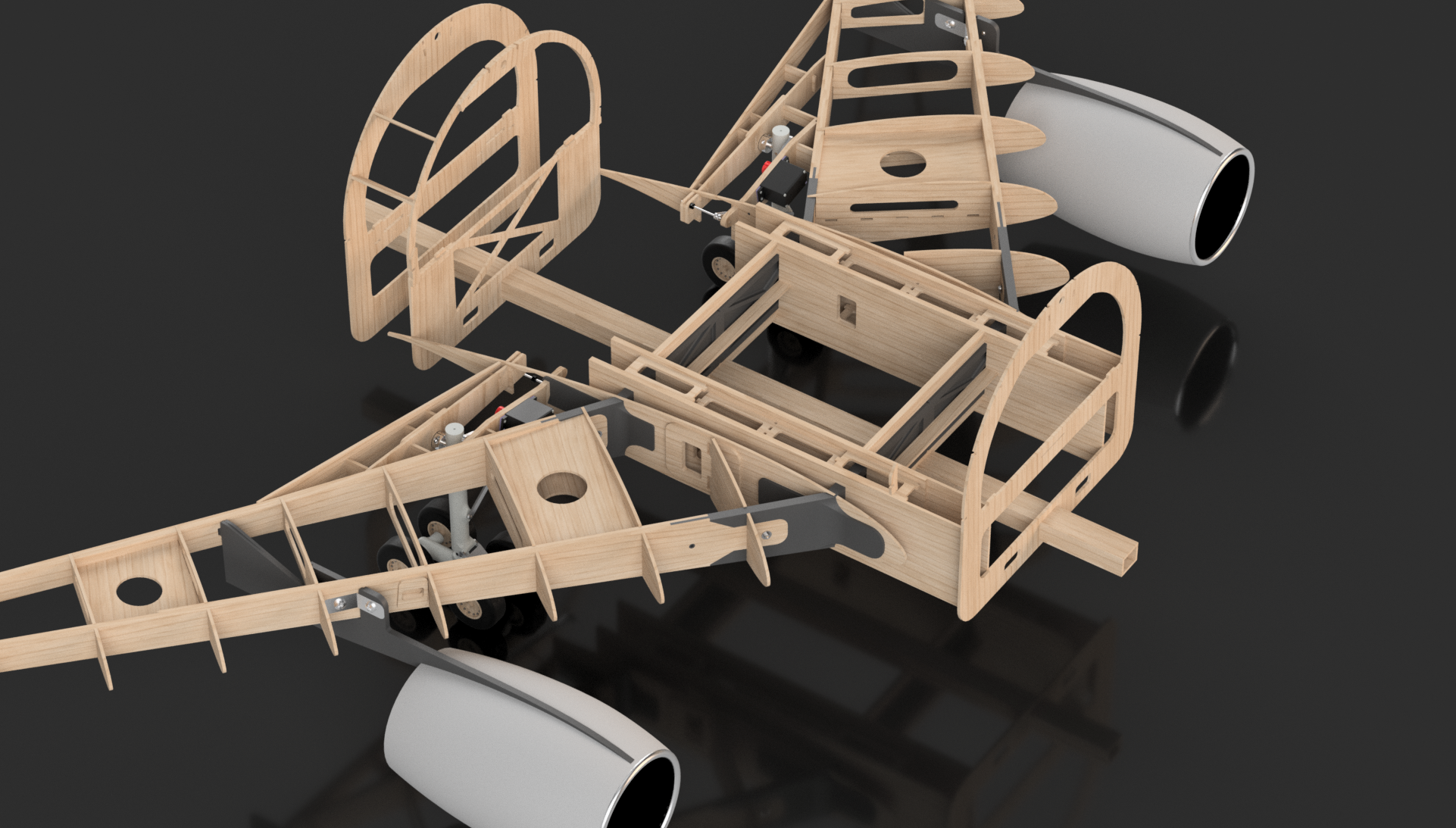
RC Airline Wing Mounts for 3D Printing with MFJ Nylon. Spars and root airfoil are affixed to the mounts which can be inserted into the fuselage.
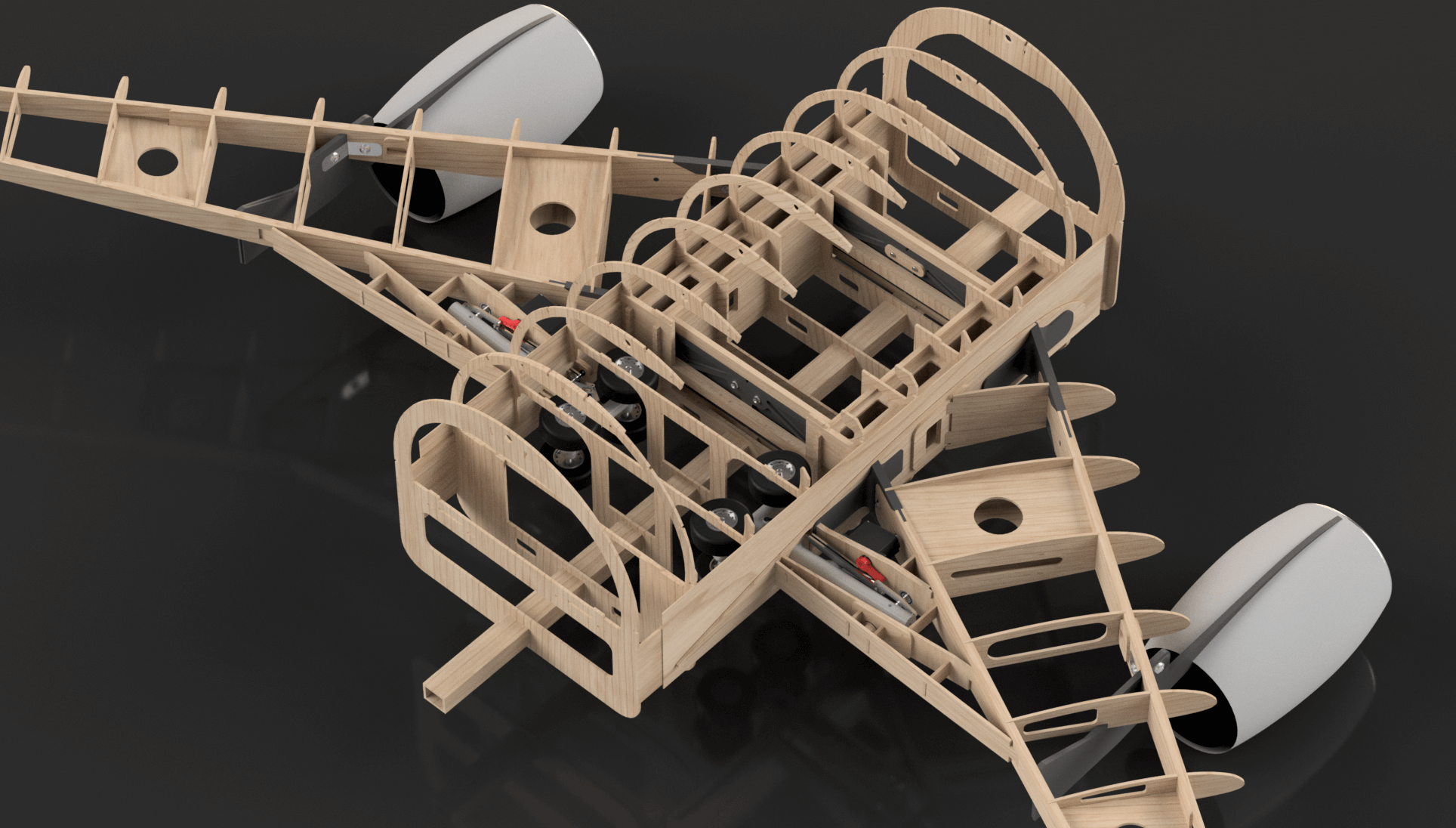
Full View of the L-1011 RC 1:20 Scale Airliner Wingbox and central fuselage assembly with landing gear retracted.
More Renders & Images

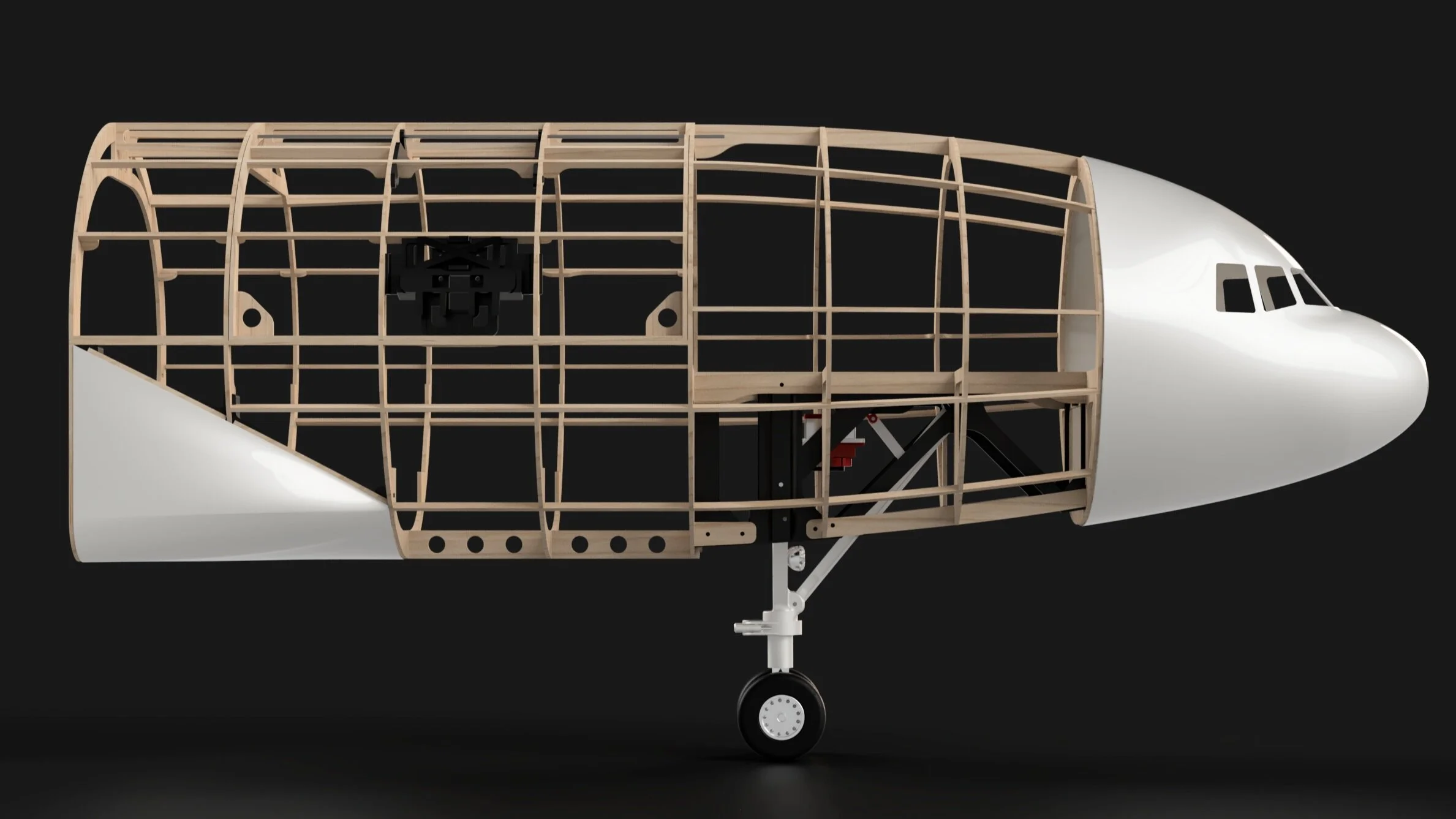


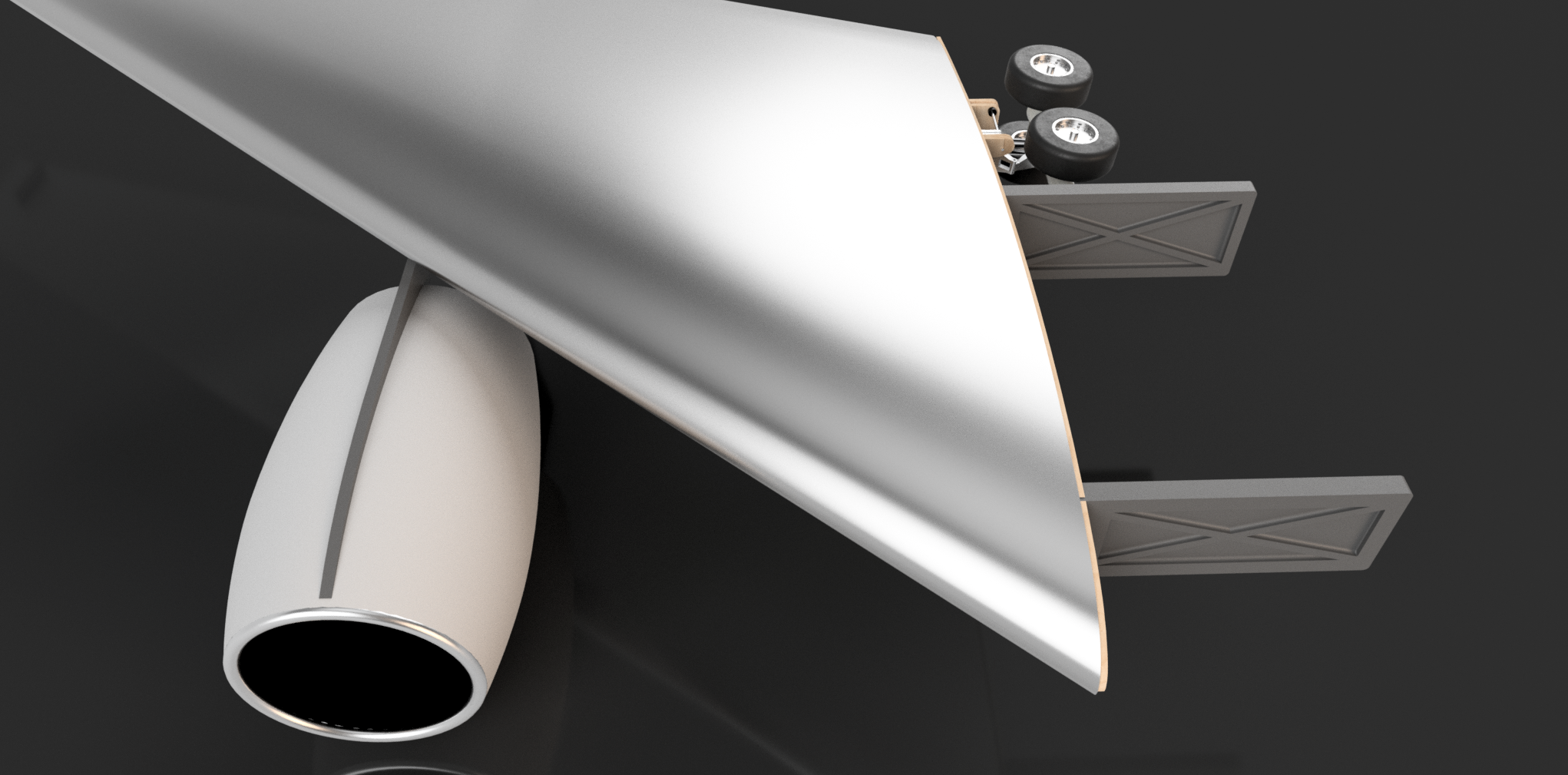
It’s taken hours upon hours designing this one of a kind, icon of aviation’s airline industry. The L-1011 tail section has been a real design challenge, with it’s curvatures, S-Duct, body tapers, and stabilator design. Finally have the final shape almost finalized.